Learning takes on deeper meaning when students are given the opportunity to step outside the classroom and engage directly with history, culture, and lived spaces. With this belief guiding our approach to education, students of Grades 9 and 10 recently embarked on an educational trip to Thatta—one of Sindh’s most historically rich regions. The visit was carefully planned to complement classroom learning by allowing students to experience history firsthand, observe architectural heritage up close and reflect on the cultural narratives that have shaped the region over centuries.
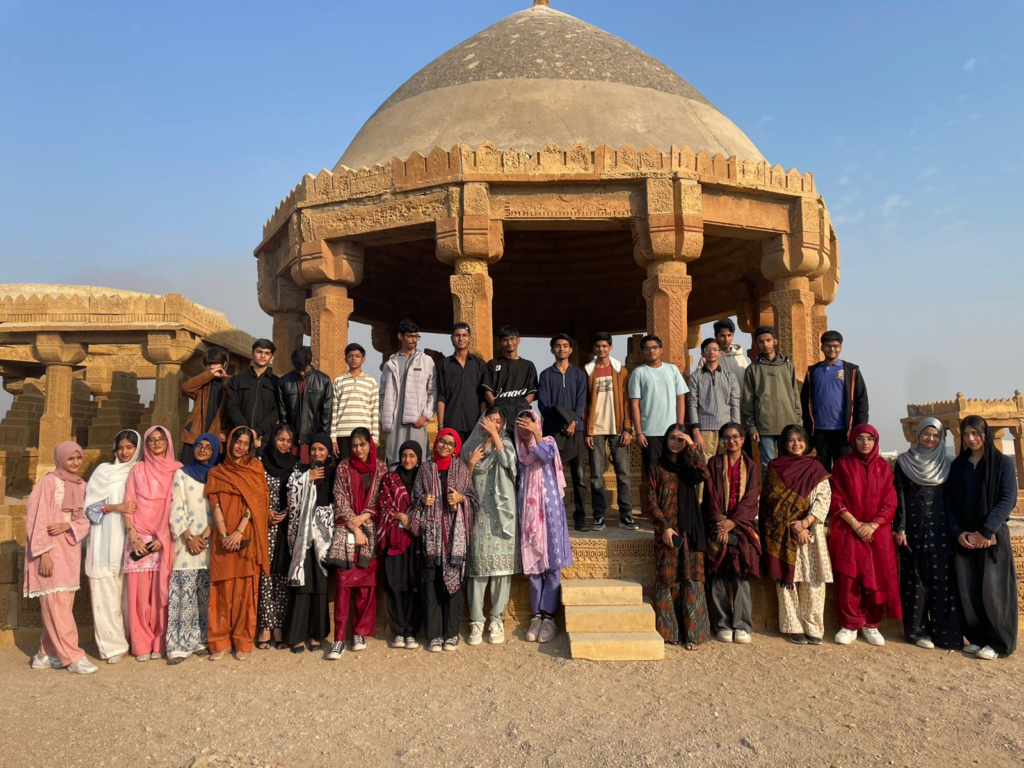
The journey began with the first stop at the Chowkandi Tombs, a site renowned for its distinctive funerary architecture and cultural symbolism. Located on the outskirts of Karachi, these tombs date back several centuries and stand as remarkable examples of stone craftsmanship unique to the region. As students walked through the site, they were introduced to the historical context of the tombs and the communities associated with them, gaining insight into how architecture often serves as a reflection of social structure, identity and belief systems.
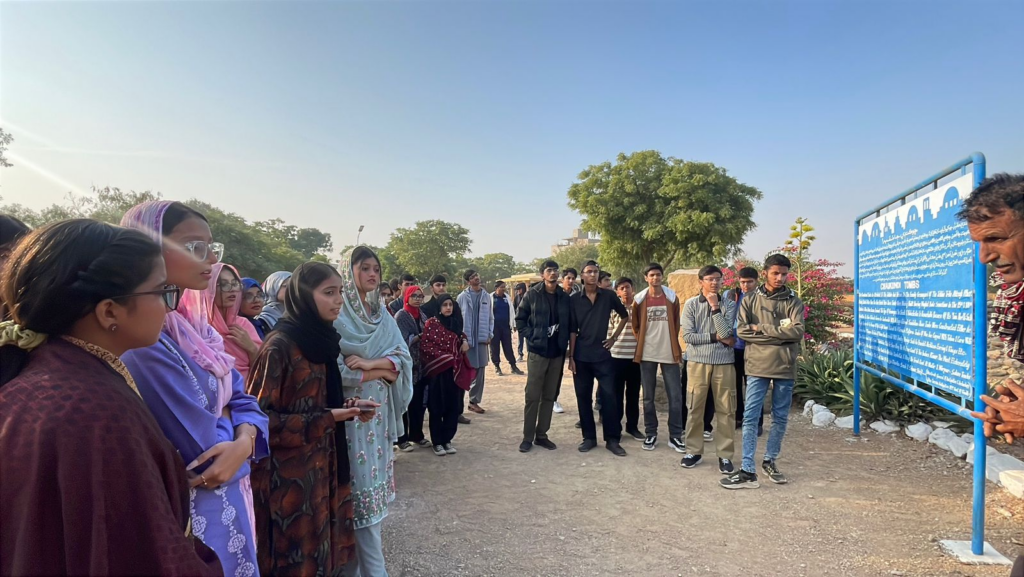
One of the most engaging aspects of the visit was observing how different architectural techniques were used to distinguish between the graves of individuals based on gender, status, and social roles. Students closely examined the intricate stone carvings and engravings, noting how women’s graves were often adorned with motifs resembling jewelry and ornaments, symbolizing grace, femininity, and personal adornment. In contrast, male graves frequently featured engravings of swords and weapons, representing strength, valor, and roles associated with protection and leadership. Graves believed to belong to kings or high-ranking individuals were marked with crowns or more elaborate designs, signifying authority and power. These visual cues sparked thoughtful discussion among students, helping them understand how symbolism was embedded in architecture to communicate identity and status long before modern forms of documentation.
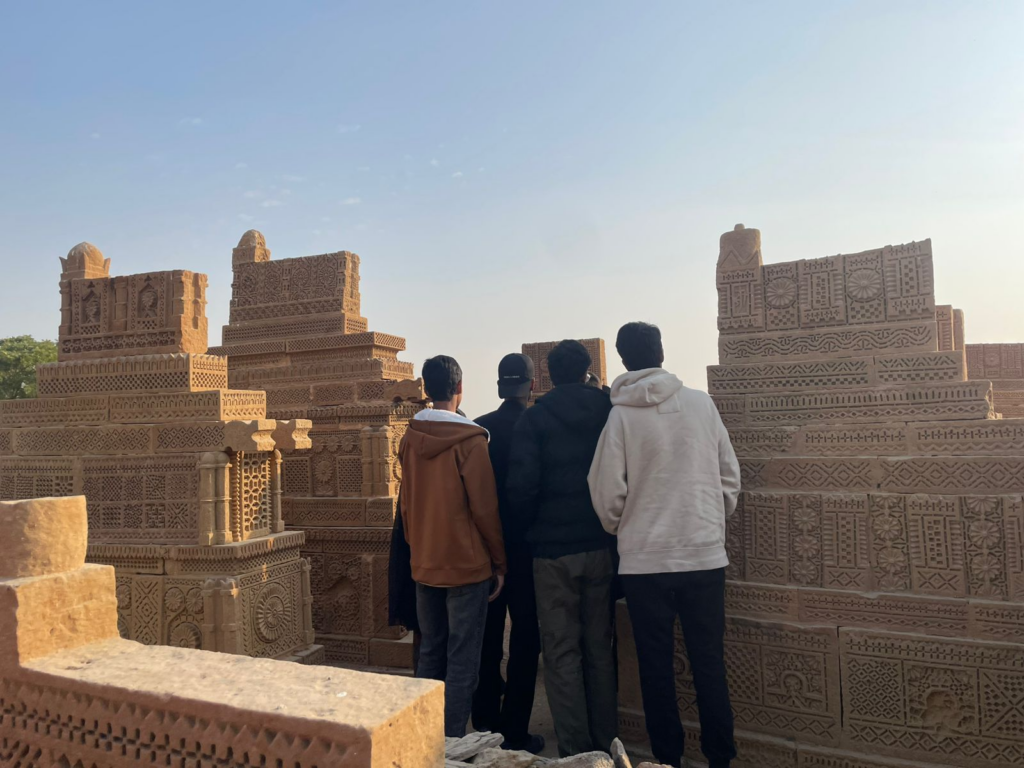
The visit to Chowkandi Tombs also allowed students to appreciate the technical skill involved in stone carving and the durability of these structures, which have withstood the passage of time despite exposure to natural elements. Teachers encouraged students to observe patterns, symmetry, and construction methods, linking these observations to broader discussions on historical architecture, craftsmanship, and the preservation of heritage. The experience offered students a tangible connection to history, transforming abstract textbook descriptions into lived understanding.
Following this enriching start, the group proceeded to the Bhambore Museum, located near the archaeological site of Banbhore—an ancient port city with deep historical significance. The museum served as a gateway to understanding the region’s role in trade, cultural exchange, and early urban development. As students explored the exhibits, they encountered artifacts that shed light on the daily lives, economic activities, and artistic expressions of past civilizations that once thrived in the area.
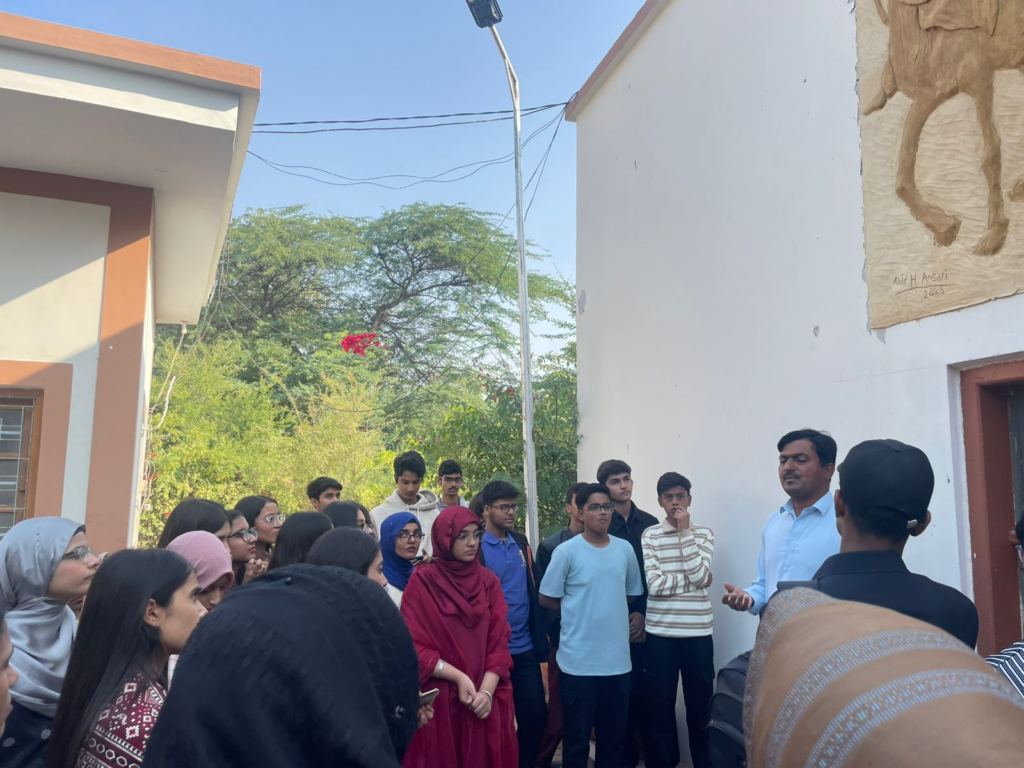
The museum visit helped contextualize Thatta’s importance as a crossroads of cultures, influenced by various dynasties and trading communities over time. Students learned about the archaeological findings from Banbhore, including pottery, tools, coins, and structural remains, which together tell the story of a once-flourishing settlement connected to regional and international trade networks. These exhibits encouraged students to think critically about how geography, commerce, and cultural interaction shape civilizations.
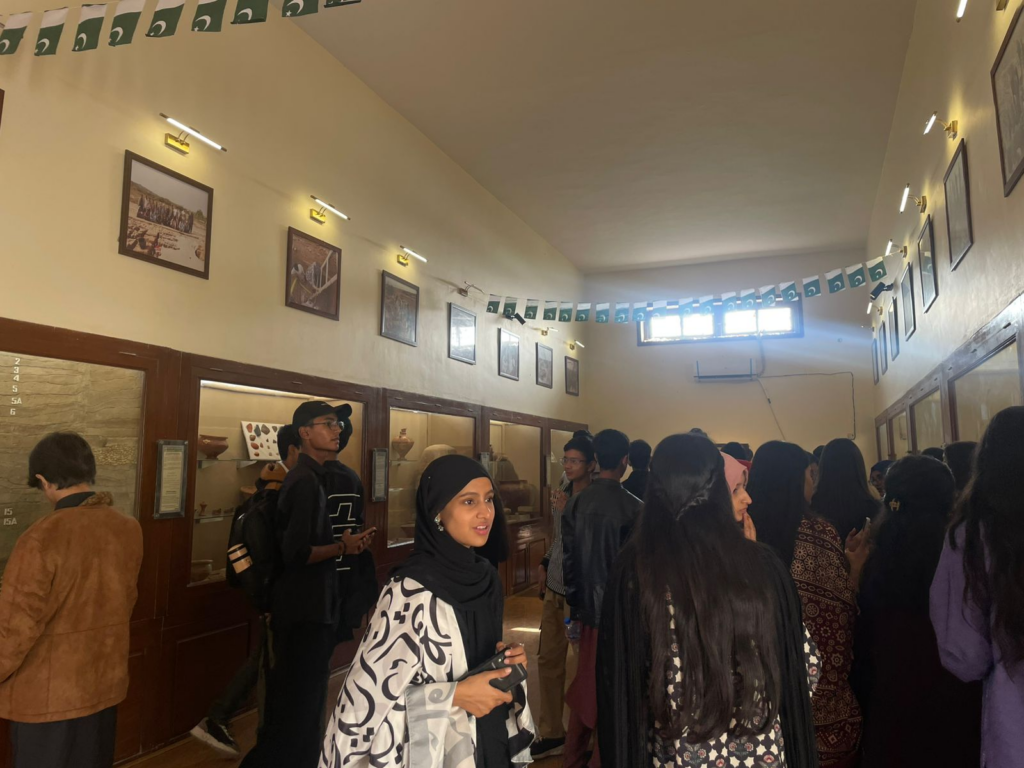
Teachers guided students in drawing connections between the artifacts on display and the historical periods they had studied in class. Discussions revolved around how material culture serves as evidence of societal organization, technological advancement, and cultural priorities. The museum environment also reinforced the importance of preserving historical sites and artifacts, helping students recognize their role as future custodians of cultural heritage.
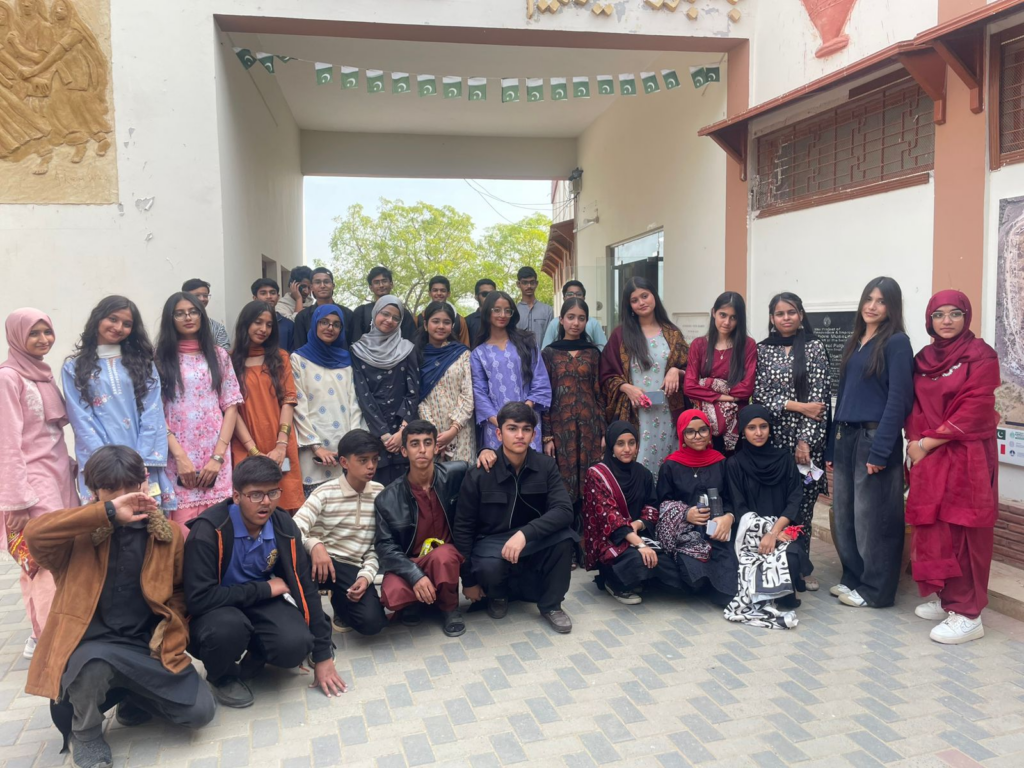
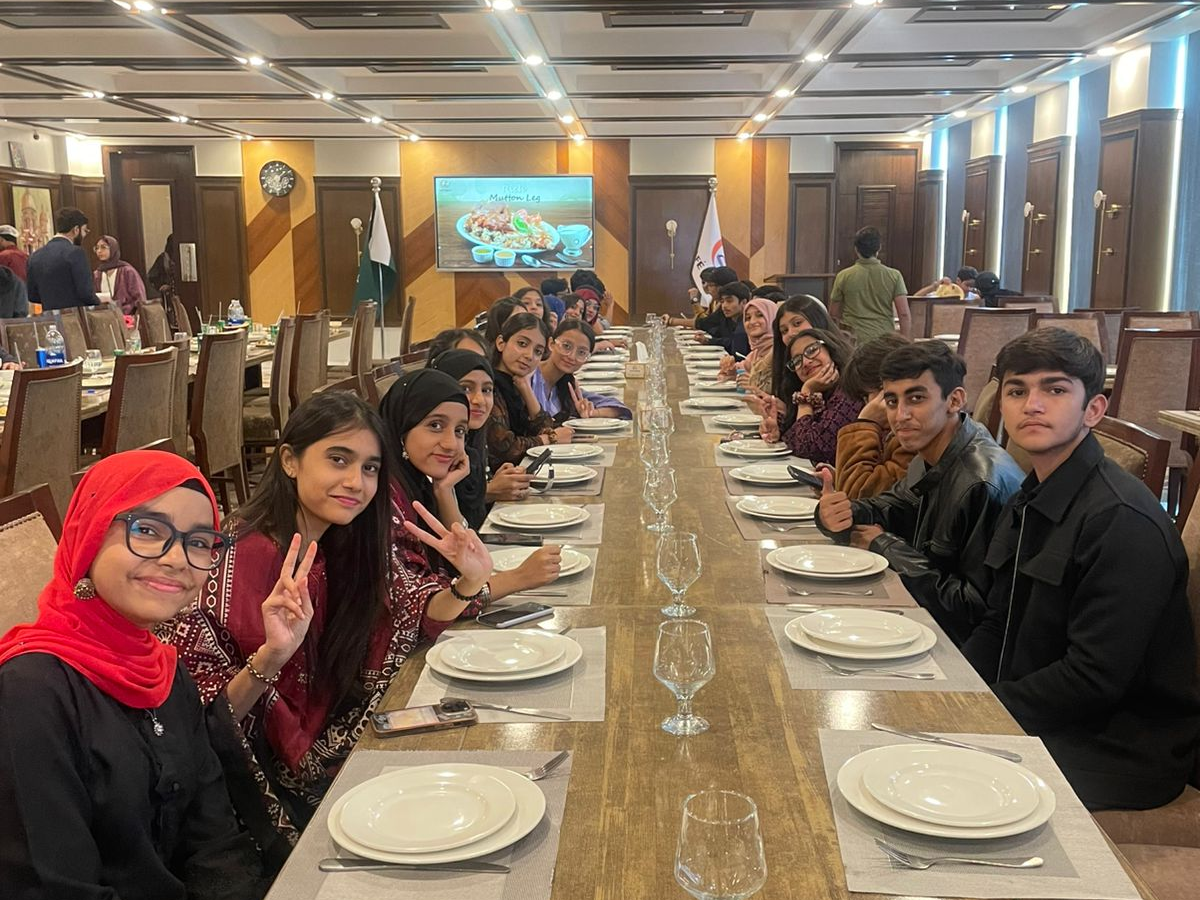
After an intellectually stimulating morning, students headed to Café Imran for lunch, where they were given time to relax, refresh, and socialize. This break provided a much-needed pause in the itinerary, allowing students to unwind, share observations from the earlier visits, and reflect informally on what they had learned so far. Moments like these are an essential part of educational trips, as they foster peer bonding and create space for spontaneous discussion and reflection beyond structured learning.
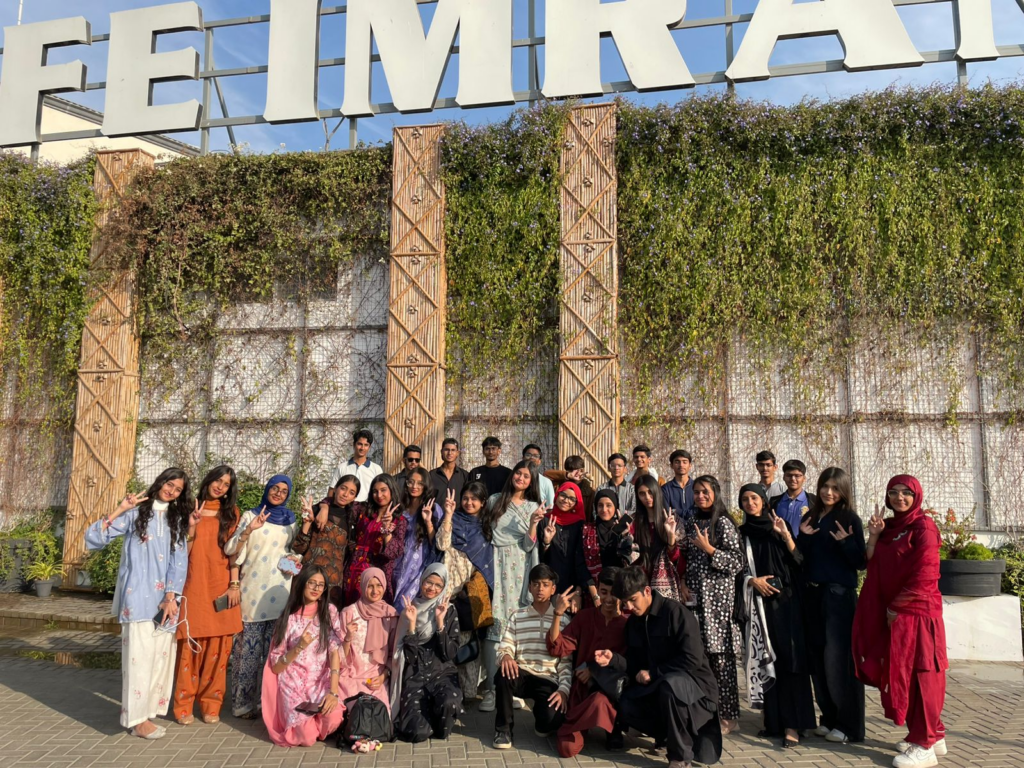
Reenergized, the students then proceeded to Makli Necropolis, one of the largest funerary sites in the world and a UNESCO World Heritage Site. Spanning several centuries, Makli is home to the tombs of kings, saints, scholars, and rulers, representing a wide range of architectural styles and historical periods. As students entered the site, they were immediately struck by the scale and grandeur of the necropolis, which stands as a testament to the region’s historical depth and cultural diversity.
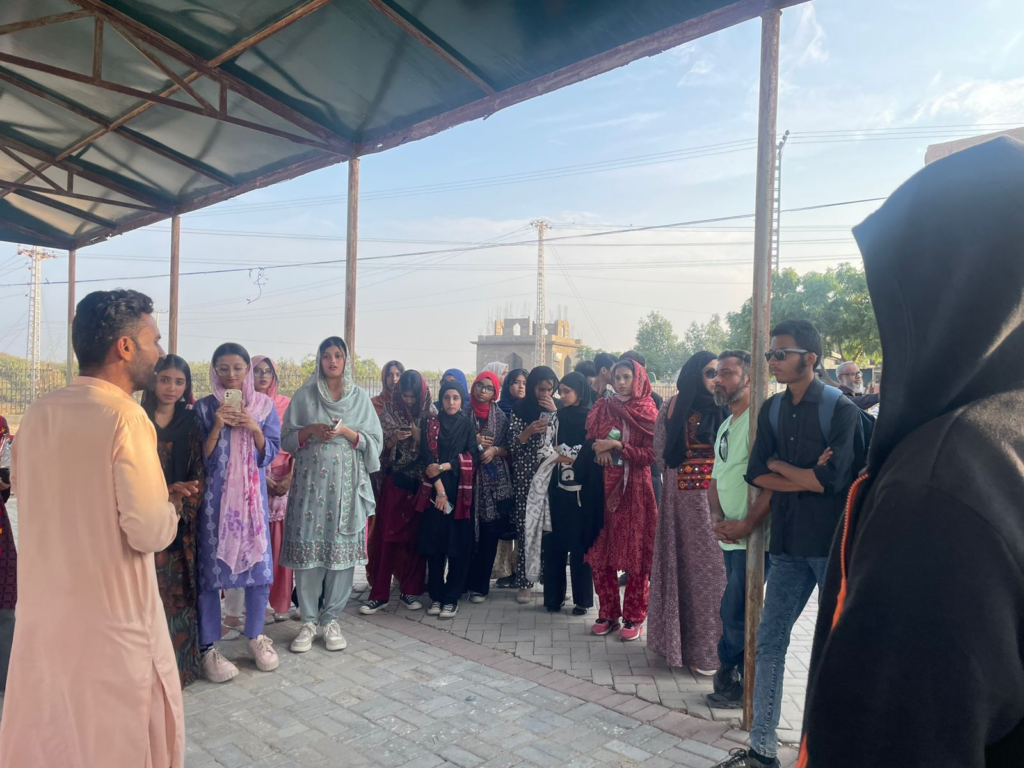
At Makli, students explored how architecture evolved over time, observing differences in design, materials, and decorative elements across various tombs. They learned how Islamic, Persian, and local influences merged to create unique architectural expressions, reflecting changing political, religious, and cultural contexts. The site provided an opportunity to discuss themes such as legacy, remembrance, and the role of monuments in preserving historical narratives.
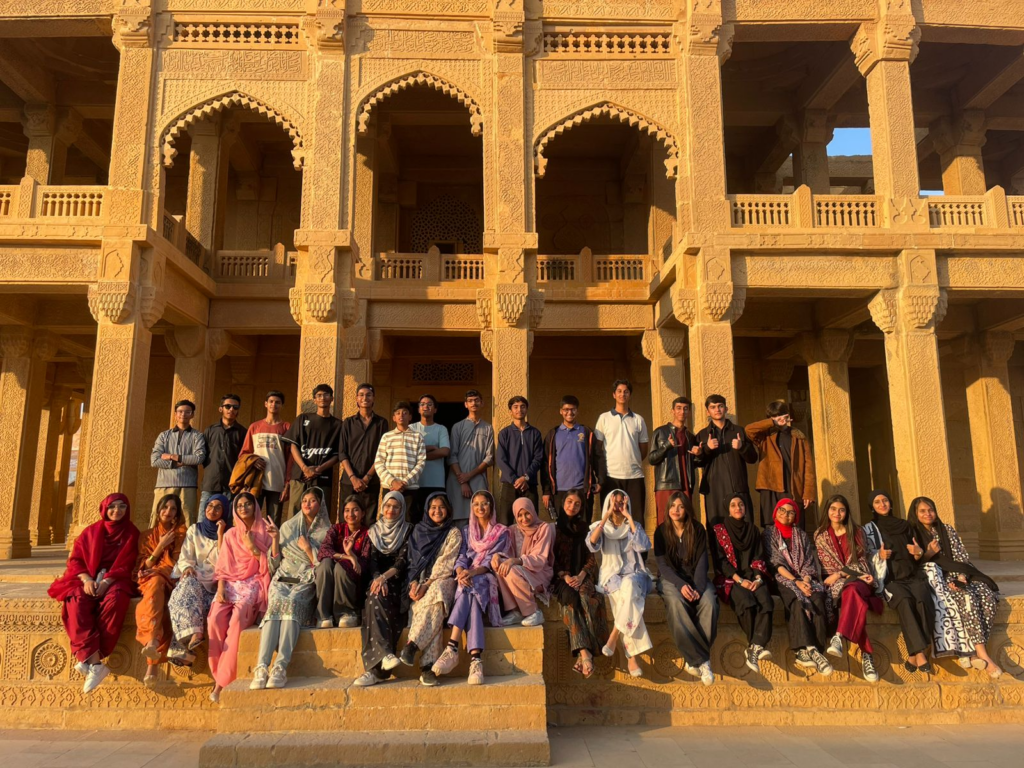
The visit also encouraged students to think critically about the preservation of heritage sites and the challenges involved in maintaining structures of such historical importance. Teachers highlighted the significance of Makli not only as a burial ground but also as a historical archive carved in stone, offering insights into governance, spirituality, and artistic traditions of different eras.
Throughout the trip, students demonstrated curiosity, attentiveness, and a growing appreciation for the depth of their cultural heritage. They actively engaged in discussions, asked thoughtful questions, and made observations that reflected a strong connection between their academic learning and real-world experiences. The trip provided a valuable platform for interdisciplinary learning, blending history, sociology, art, and architecture into a cohesive educational experience.
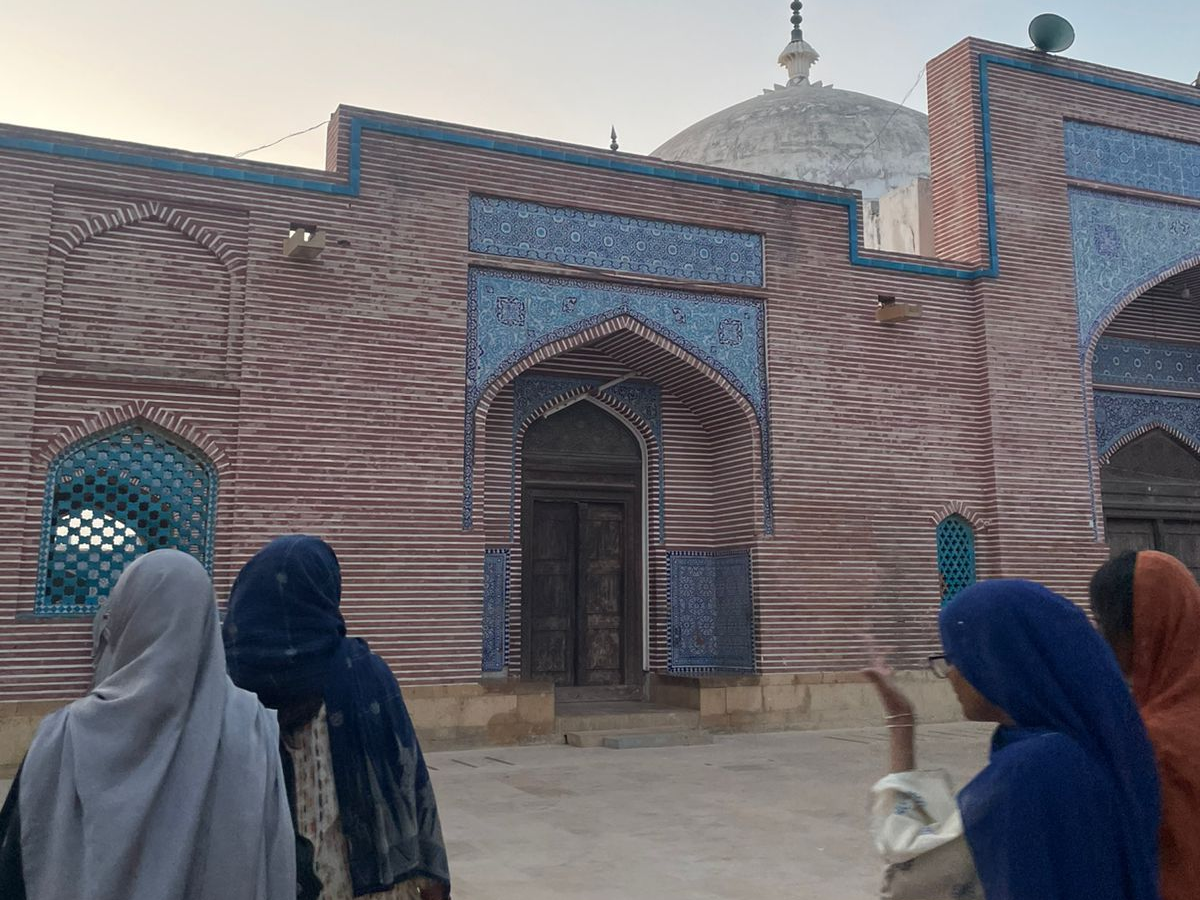
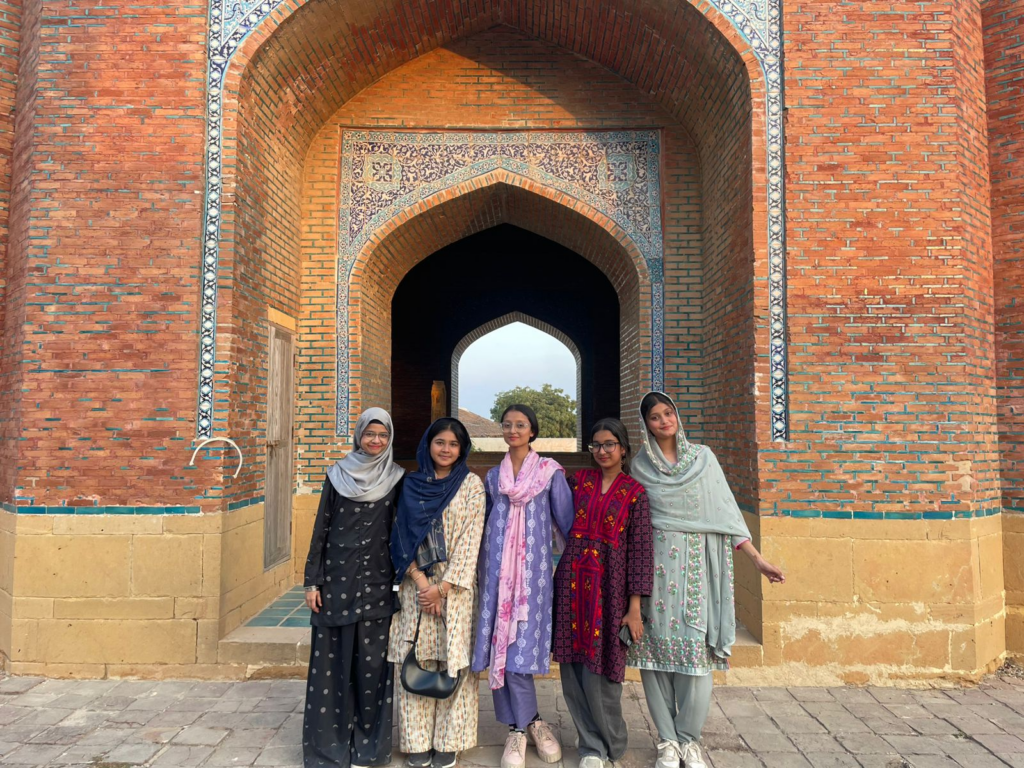
After visiting the historic site of Makli, the students proceeded to Shah Jahan Mosque, a remarkable example of Mughal architecture. Built during the reign of Emperor Shah Jahan, the mosque is renowned for its intricate tile work, symmetrical design, and spacious courtyard, reflecting the grandeur of Mughal artistry. Beyond its architectural beauty, the mosque holds significant historical importance, offering students a tangible connection to the cultural and religious heritage of the region. The visit provided an enriching educational experience, allowing students to observe the blend of history, art, and craftsmanship firsthand, and deepening their understanding of Islamic architecture and its role in shaping society over the centuries.